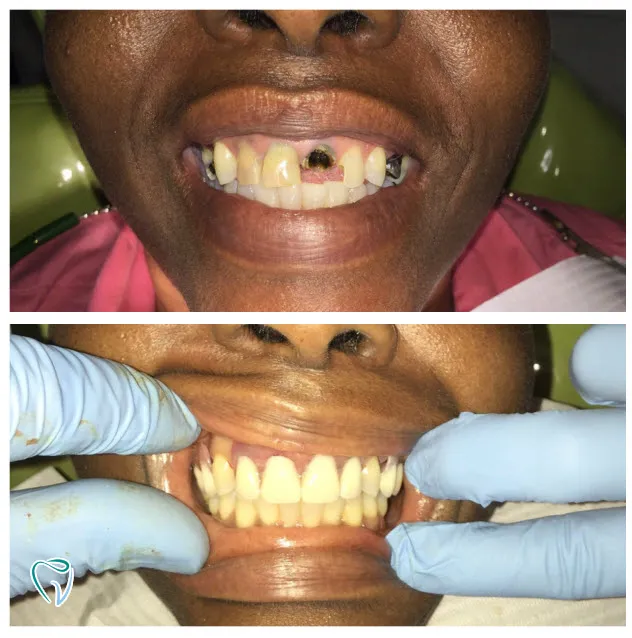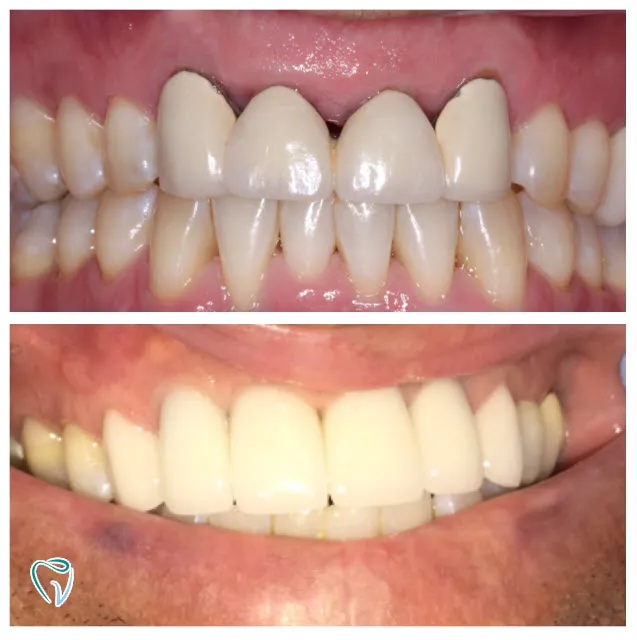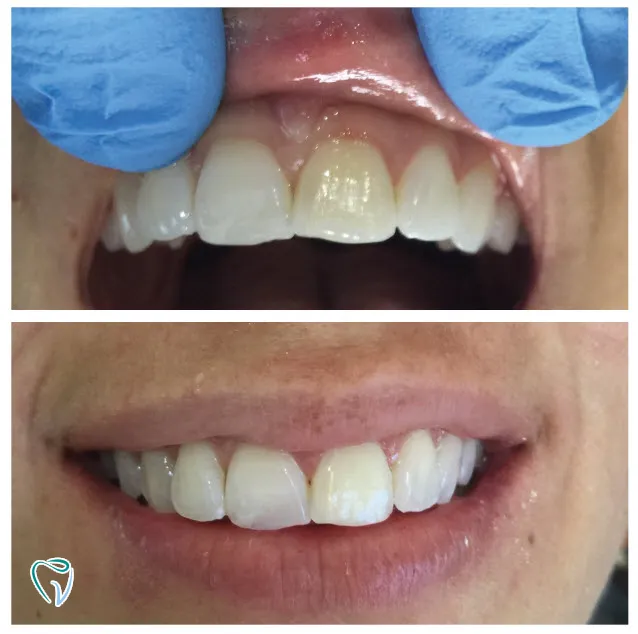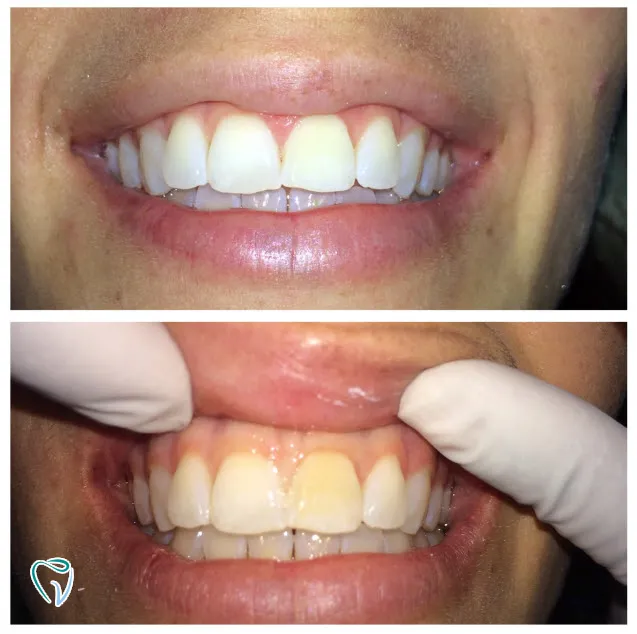
A root canal is not the cause of pain; it is the cure. If you are suffering from a severe toothache or sensitivity, our gentle root canal therapy can eliminate the infection and save your natural tooth from extraction. Using advanced anaesthetics and modern techniques, we make the procedure as comfortable as a routine filling, getting you out of pain and back to your life instantly.
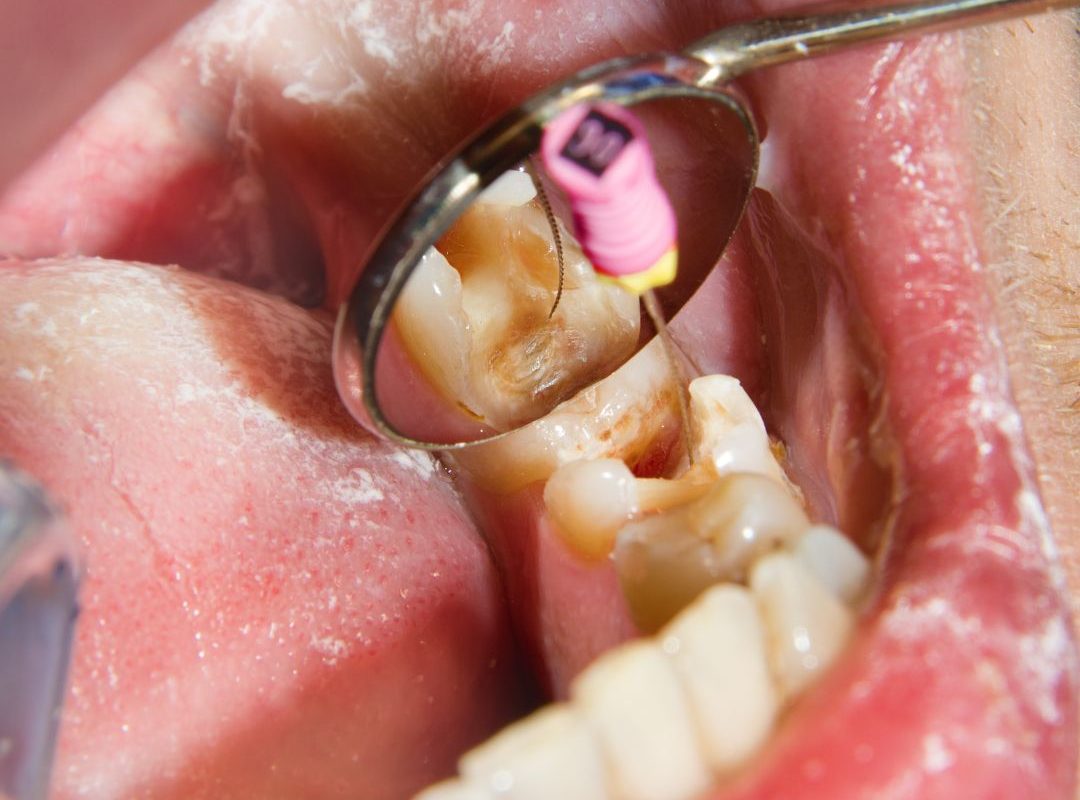
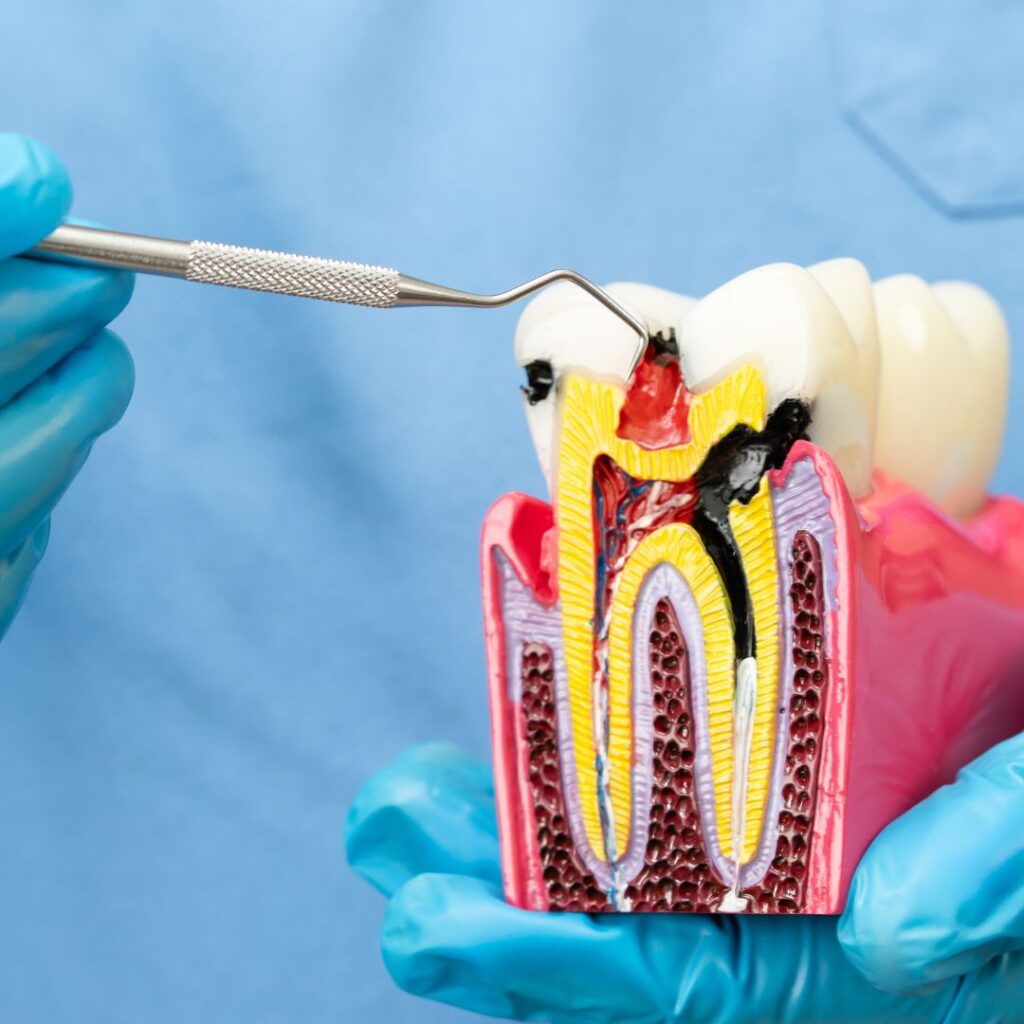
Root canal therapy is a tooth-saving procedure used to treat infection at the center of a tooth (the root canal system). When the soft inner pulp of a tooth becomes inflamed or infected, it can cause severe pain and eventually lead to an abscess or bone loss.
During treatment, we gently remove the infected nerve tissue, clean and disinfect the inside of the tooth, and seal it to prevent future infection. This procedure allows you to keep your natural tooth and maintain your jawbone health, rather than extracting the tooth.
You may need a root canal if the nerve inside your tooth has been damaged by deep decay, a large filling, or trauma (like a crack or chip).
Common warning signs include:
Get clarity before your consultation.
This is the most common myth in dentistry. A root canal is done to relieve pain, not cause it. With modern local anaesthesia, the procedure feels very similar to getting a routine filling. You will be numb and comfortable throughout the treatment.
You may need treatment if the nerve inside your tooth is damaged or infected. Common warning signs include lingering sensitivity to hot or cold, a severe toothache when chewing, swollen gums, or darkening of the tooth. However, some infections are silent, which is why X-rays are so important.
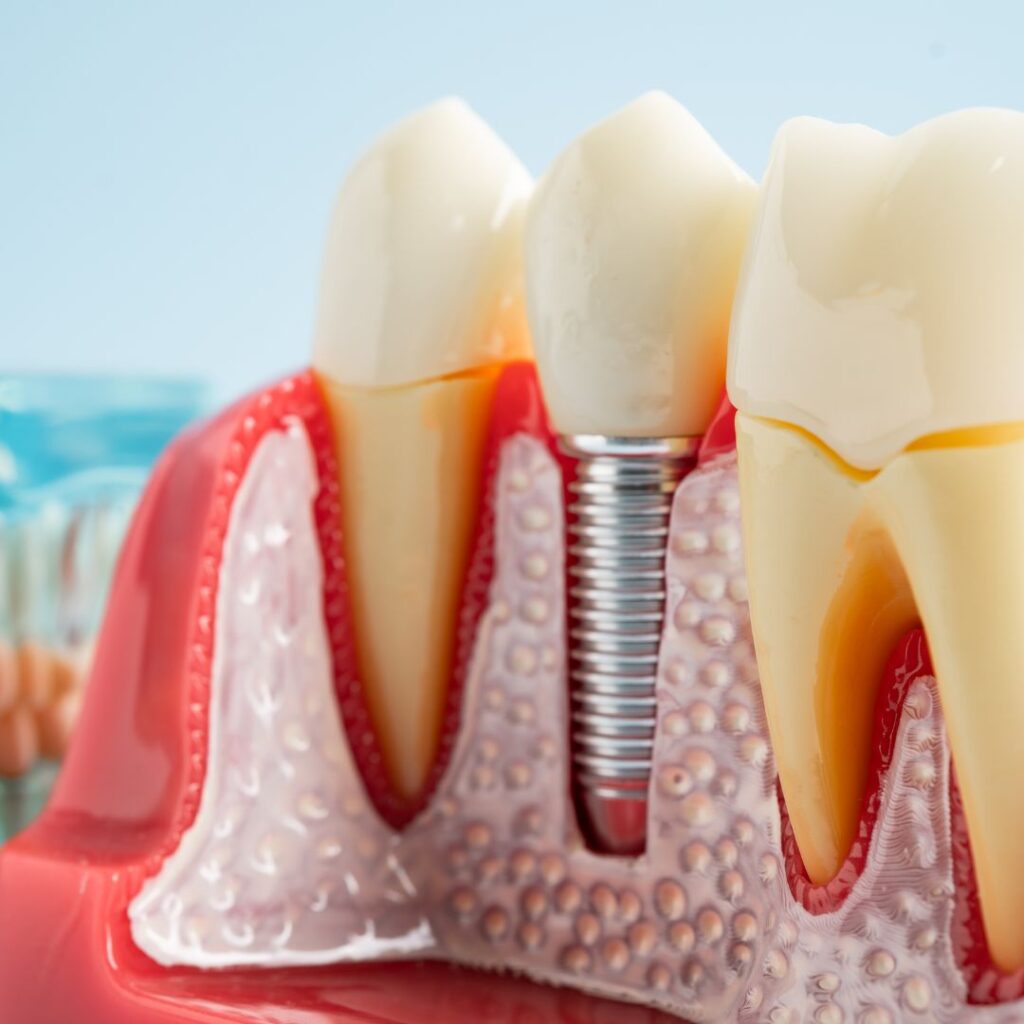
While extraction is an option, it is always better to save your natural tooth whenever possible. Saving the tooth prevents your other teeth from shifting, maintains your natural bite, and preserves your jawbone. Replacing a pulled tooth with an implant or bridge is often more expensive and complex than saving it with a root canal.
We gently remove the infected nerve tissue from inside the tooth, clean and disinfect the space, and fill it with a rubber-like material called gutta-percha. This seals the tooth to prevent bacteria from re-entering.
In most cases, yes. Because the tooth no longer has a blood supply, it can become brittle over time. Placing a porcelain crown over the treated tooth restores its strength and protects it from fracturing, allowing you to chew normally again.
You may feel some tenderness or sensitivity for a few days once the numbness wears off, which can typically be managed with over-the-counter pain medication (like ibuprofen). You should avoid chewing on that tooth until your permanent crown is placed to prevent it from cracking.